

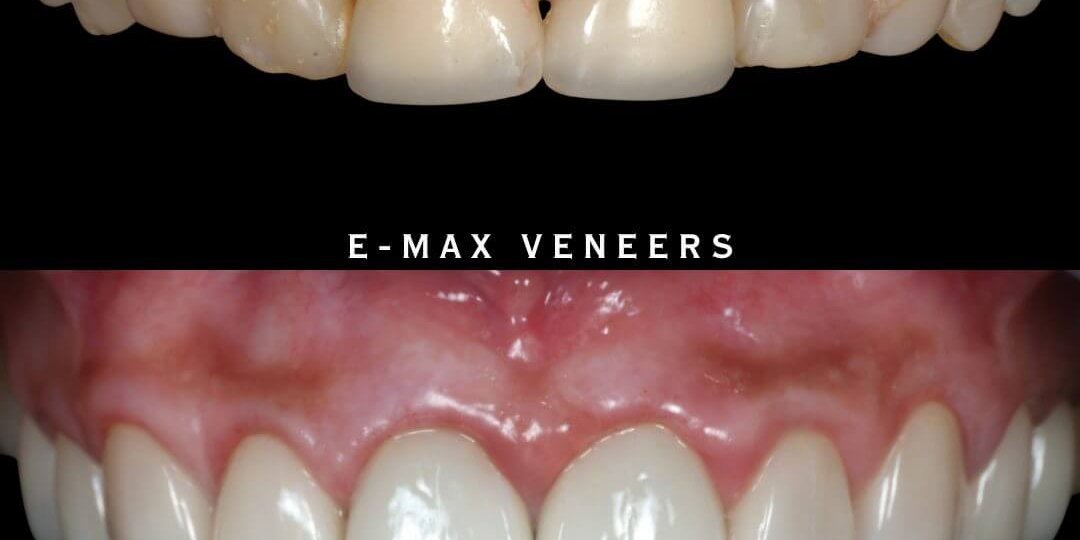
Not every severely damaged tooth requires extraction and implant replacement.
Recently, we managed a challenging aesthetic and functional rehabilitation case involving two maxillary central incisors that had previously undergone root canal treatment and crown restoration.
 Initial Presentation
 Initial Presentation
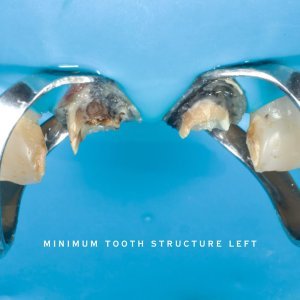 The patient presented with multiple concerns:
• Failed previous root canal treatment
• Severe discoloration of the upper central incisors
• Fractured tooth structure beneath existing crowns
• Mismatched crown colour and poor aesthetics
• Unstable occlusion and functional discomfort
• Compromised ferrule due to extensive loss of tooth structure
Clinical examination, radiographs, and CBCT evaluation revealed that the existing restorations were failing not only aesthetically but also biologically and functionally.
The remaining tooth structure was minimal, making long-term prognosis highly dependent on establishing adequate ferrule and biological width.
Treatment Planning
After comprehensive evaluation, we decided to preserve the natural teeth rather than proceed with extraction.
The treatment sequence included:
- Endodontic retreatment (Re-root canal treatment)
- Surgical crown lengthening
- Provisional restorations
- Occlusal stabilization
- Final aesthetic rehabilitation with E-max veneers and crowns
Digital planning played a significant role throughout the process, helping us visualize the final outcome before definitive treatment.
Surgical Crown Lengthening
One of the most critical stages of this case was surgical crown lengthening.
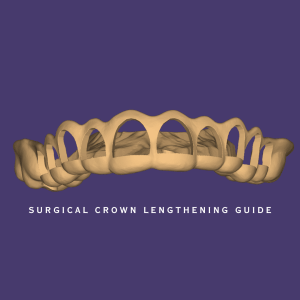 Because very little sound tooth structure remained, additional clinical crown height was required to establish a predictable ferrule effect and create a healthy restorative foundation.
A surgical crown-lengthening guide was designed and utilized to ensure precise tissue management and optimal aesthetic outcomes.
Provisionalisation Phase
Following surgery, provisional restorations were placed for approximately three weeks.
This phase allowed:
• Soft tissue maturation
• Evaluation of aesthetics and phonetics
• Assessment of occlusal stability
• Patient adaptation to the new smile design
Provisionalisation remains one of the most valuable stages in complex cosmetic rehabilitation, providing an opportunity to refine the final outcome before definitive restoration.
Final Restoration
After adequate healing and tissue stabilization, the definitive restorations were fabricated.
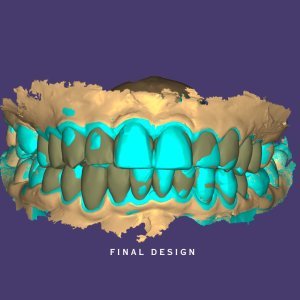 The final treatment included:
• High-strength E-max veneers
• E-max crowns where required
• Comprehensive shade harmonization
• Occlusal refinement
Special attention was given to restoring natural translucency, symmetry, emergence profile, and facial integration.
The transformation was significant—not only in appearance but also in function and long-term predictability.
Protecting the Final Result
The patient demonstrated signs of parafunctional activity and occlusal wear.
To protect the new restorations and maintain long-term stability, a custom bruxism guard was provided.
This additional step is often overlooked but can be critical in preserving complex restorative work.
Key Clinical Takeaways
✓ CBCT-based diagnosis improves treatment predictability.
✓ Surgical crown lengthening can transform the prognosis of severely compromised teeth.
✓ Provisionalisation is an essential step in complex aesthetic cases.
✓ Preserving natural teeth remains a valuable option when biologically feasible.
✓ Occlusal management is just as important as aesthetics.
Final Thoughts
Cases like this highlight the importance of combining endodontics, periodontal surgery, prosthodontics, occlusion, and digital dentistry into a single comprehensive treatment approach.
When diagnosis is thorough and treatment is carefully staged, even severely compromised anterior teeth can often be preserved and transformed into highly aesthetic, functional, and predictable restorations.
— Dr. Shihabur Rahman
BDS, FCPS, FWFO (USA)
Digital Implant & Cosmetic Dentistry
LASER DENTAL